Loose skin can make even a well-rested, well-cared-for complexion feel less refreshed than it used to. If you are considering a treatment to firm your face, neck, jawline, or body, one question should come before expected results: is skin tightening safe?
For many people, non-surgical skin tightening can be a safe, effective option when it is matched to the right concern, skin type, health history, and provider. The key is understanding that “skin tightening” is not one treatment. Lasers, radiofrequency, ultrasound, and other technologies work differently, come with different recovery needs, and are not ideal for every client.
Is Skin Tightening Safe for Most People?
In the hands of a properly trained provider, non-surgical skin tightening treatments are generally considered safe for appropriate candidates. These treatments are designed to create controlled heat in targeted layers of the skin or underlying tissue. That heat encourages the body’s natural collagen response, which can gradually improve firmness and texture.
“Generally safe” does not mean risk-free. Temporary redness, swelling, tenderness, or a warm sensation are common after many treatments. More significant side effects, such as burns, pigment changes, prolonged swelling, scarring, or unwanted fat loss, are less common but possible. The likelihood often comes down to the technology used, the settings selected, your skin and health profile, and the experience of the person performing the service.
A thoughtful consultation matters because the safest treatment is not automatically the strongest one. It is the one that fits your goals while respecting your skin’s needs.
How Different Skin Tightening Treatments Work
There is no single best device or modality for every concern. Some treatments are better for early laxity and collagen support, while others are intended for more noticeable sagging or deeper tissue remodeling.
Radiofrequency Skin Tightening
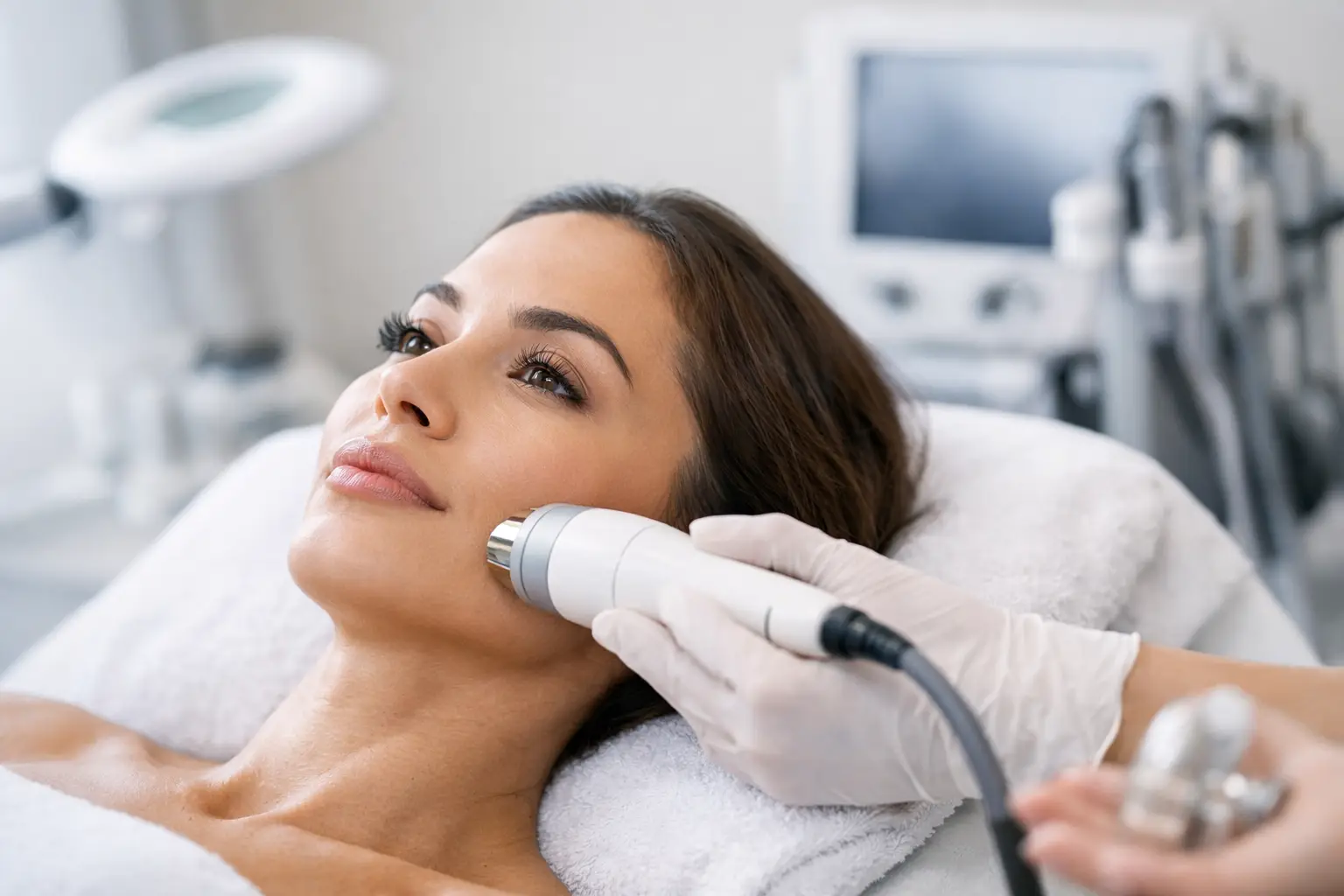
Radiofrequency, often called RF, uses electrical energy to warm the deeper layers of skin. Depending on the treatment, it may be delivered through the surface of the skin or combined with microneedling. RF can be used on the face, neck, abdomen, arms, thighs, and other areas where clients want a firmer look.
For the right candidate, radiofrequency is often well tolerated and involves little to no downtime. You may look mildly flushed or feel tender for a day or two. Results usually appear gradually because collagen remodeling takes time. A series of treatments may be recommended for more visible improvement.
The main safety consideration is heat control. Too much heat, or poorly selected settings, can increase the risk of burns or changes in pigmentation. This is why professional assessment and appropriate device protocols are essential.
Ultrasound Skin Tightening
Ultrasound treatments send focused energy beneath the skin’s surface to create precise points of heat in deeper tissue. They are often chosen for the brow, jawline, chin, neck, and décolletage when a client wants a subtle lift without surgery.
Most people return to normal activities right away, though tenderness, mild swelling, tingling, or sensitivity can occur. Because ultrasound reaches deeper structures, the provider must understand facial anatomy and use the treatment handpiece with care. Rare but possible complications can include temporary numbness, bruising, or unevenness.
Laser Skin Tightening
Laser-based treatments may heat the skin to encourage collagen production, improve texture, and support a smoother, more refined appearance. Some laser treatments are non-ablative, meaning they leave the surface of the skin intact. Others are more intensive and create controlled injury to renew the surface as well as stimulate collagen below it.
The recovery and risk profile varies greatly. A gentle non-ablative treatment may produce only temporary redness, while more intensive resurfacing can require several days of visible healing. Laser settings should be chosen carefully for your skin tone, sensitivity, history of pigmentation, and sun exposure habits.
Who Should Be Cautious or Wait?
A consultation should include more than a quick look at the area you want to treat. Your provider should ask about medications, previous procedures, medical conditions, skincare routine, and what kind of results you realistically hope to see.
Skin tightening may need to be postponed or modified if you are pregnant or nursing, have an active skin infection, open wounds, severe acne flare, or a recent sunburn. Certain conditions and medications can also affect candidacy. For example, people with implanted electronic devices may not be suitable for some radiofrequency treatments, and those prone to melasma or post-inflammatory hyperpigmentation may need a more conservative laser plan.
If you have a history of cold sores and are considering treatment around the mouth, let your provider know. Heat-based and resurfacing procedures can sometimes trigger an outbreak, and preventive medication may be appropriate. Likewise, anyone with a history of keloid scarring, autoimmune concerns, healing issues, or recent injectable treatments should discuss timing and safety before booking.
This is not about creating unnecessary barriers. It is about protecting your results and making sure your treatment experience feels as comfortable and predictable as possible.
The Trade-Off: Safety, Results, and Downtime
Non-surgical skin tightening can create meaningful improvement, but it does not produce the same result as a surgical facelift, neck lift, or body-contouring procedure. Treatments work best for mild to moderate laxity, early collagen loss, and clients who want a gradual, natural-looking refresh.
More aggressive settings or more intensive treatments may create a stronger response, but they can also bring more swelling, tenderness, downtime, and risk. A conservative plan may require multiple appointments and patience, yet it can be the smarter choice for sensitive skin or for someone who wants to maintain a polished routine with minimal disruption.
Be wary of anyone who promises dramatic lifting in one appointment, especially without discussing your skin quality, age, facial structure, or degree of laxity. Honest aesthetic care leaves room for nuance. Sometimes a combination approach, such as skincare, laser treatments, microneedling, injectables, or a referral for surgical consultation, is more appropriate than relying on one device alone.
How to Make Your Treatment Safer
Your experience starts well before the device touches your skin. Choose a provider who explains which technology they recommend and why it suits your concern. You should feel comfortable asking about their training, the expected sensation, likely downtime, potential side effects, and what results are realistic for you.
Before treatment, follow pre-care instructions closely. These may include avoiding tanning, self-tanner, irritating skincare ingredients, and certain medications or supplements when advised. Arrive with clean skin if requested, and be upfront about recent treatments, including fillers, neuromodulators, chemical peels, or other laser services.
After treatment, protect the skin from heat and sun exposure as directed. That is especially relevant in Scottsdale and Phoenix, where a quick errand can mean strong UV exposure. Use broad-spectrum sunscreen, avoid picking or exfoliating treated skin too soon, and contact your provider promptly if you notice blistering, increasing pain, unusual drainage, or changes that concern you.
What a Good Consultation Should Feel Like
A quality consultation should never feel rushed or sales-driven. You deserve clear answers about what the treatment can do, what it cannot do, and whether now is the right time for it.
At Hydrate Salon + Day Spa, skin-focused care is approached with that balance of advanced aesthetics and warm, personal attention. The goal is not to chase a one-size-fits-all version of youth. It is to help you choose treatments that support skin that looks rested, smooth, and confidently your own.
Skin tightening can be a safe part of a long-term self-care plan when the treatment is carefully selected, professionally performed, and supported by good aftercare. Start with a conversation that puts your comfort and your skin first – confident results are always worth a thoughtful plan.
