Sun exposure, changing hormones, busy schedules, and simply living in the Arizona heat can all show up on your skin over time. A thoughtful guide to laser rejuvenation starts with one reassuring truth: you do not have to choose between dramatic procedures and doing nothing. The right laser treatment plan can refresh the look of your skin gradually, comfortably, and in a way that fits your goals and lifestyle.
Laser rejuvenation is not one single treatment. It is a category of advanced skin services designed to address concerns such as uneven tone, sun spots, redness, visible texture, fine lines, enlarged pores, and a tired-looking complexion. The best results come from matching the technology, treatment intensity, and timing to your skin rather than following a one-size-fits-all approach.
What Laser Rejuvenation Can Help Improve
Laser treatments use focused light energy to target specific structures within the skin. Depending on the device and setting, that energy may focus on pigment, visible vessels, water in the skin, or deeper layers that support collagen. This allows a trained provider to address concerns with greater precision than a topical product alone.
Many clients seek laser rejuvenation because their skin no longer reflects how rested or polished they feel. Brown spots may become more noticeable after years of sun exposure. Redness can make makeup feel less optional. Makeup may settle into texture that was not there before. Laser services can help improve these concerns, although the degree of improvement depends on the treatment selected, the condition of your skin, and how consistently you protect and care for it afterward.
It is also helpful to set the right expectation: laser rejuvenation can create meaningful visible change, but it does not stop aging or erase every line. Think of it as a way to restore a clearer, smoother, more even-looking foundation for your skin care, makeup, and everyday confidence.
A Guide to Laser Rejuvenation Treatments
The word “laser” can sound intimidating, especially if your only reference point is a dramatic before-and-after photo or a friend’s story about several days of peeling. In reality, laser services range from gentle treatments with little to no downtime to more intensive resurfacing options that require a dedicated recovery period.
Gentle, low-downtime treatments
Some laser and light-based treatments are designed to improve the overall appearance of tone and clarity with minimal interruption to your routine. They may be a fit for concerns like mild discoloration, diffuse redness, early signs of sun damage, or skin that simply looks dull. You may experience temporary warmth, mild redness, or darkening of pigmented spots before they flake away.
These treatments are appealing when you want a refreshed look without planning your calendar around significant recovery. The trade-off is that gradual treatments often require a series and ongoing maintenance to achieve and preserve the best result.
Resurfacing treatments for texture and fine lines
Laser resurfacing treatments work more deeply to encourage the skin’s renewal process and support collagen production. They are often considered for more pronounced texture, fine lines, acne scarring, enlarged pores, and cumulative sun damage. Because the skin response is more substantial, recovery may involve redness, swelling, dryness, flaking, or peeling for several days or longer, depending on treatment intensity.
More intensive does not automatically mean better. The appropriate level of resurfacing is the one that balances your goals with your skin type, tolerance for downtime, and ability to follow aftercare closely. For some clients, a sequence of moderate treatments produces a beautiful result with a more manageable recovery than one aggressive appointment.
Pigment and redness-focused care
Brown spots, facial redness, and visible vessels can each respond differently to light-based treatments. A spot that looks like simple sun damage may need a different approach than melasma, while redness related to rosacea requires careful treatment planning. This is why an in-person consultation matters. Treating the wrong concern too aggressively can lead to disappointing results or unwanted pigmentation changes.
A skilled provider will evaluate not only what is visible on the surface but also how your skin tends to react, your recent sun exposure, your current products, and any history of pigmentation issues.
Your Consultation Should Feel Personal, Not Pressured
The consultation is where great laser care begins. It should feel like a conversation about your goals, not a rushed sales pitch. Bring up the concerns that bother you most, whether that is makeup sitting unevenly, discoloration around the cheeks, or a general loss of brightness.
Your provider should review your medical history, skin care routine, medications, prior aesthetic treatments, and any tendency toward cold sores, scarring, or post-inflammatory hyperpigmentation. Be candid about recent tanning, self-tanner use, active breakouts, and upcoming events. These details affect both safety and scheduling.
At Hydrate Salon + Day Spa, laser treatment planning is approached with the same care as a great color consultation: the details matter, and a result should feel right for you. A personalized recommendation may include one treatment, a series, or a plan that combines laser services with professional skin care for more complete support.
Preparing for Your Appointment
Preparation is usually straightforward, but it is not optional. Sun exposure is one of the biggest factors that can affect laser safety and results. Avoid tanning and protect exposed skin with broad-spectrum sunscreen as directed by your provider before and after treatment.
You may also be asked to pause certain active products, such as retinoids, exfoliating acids, or benzoyl peroxide, for a specified period. Do not stop prescription medications without guidance from the clinician who prescribed them. If you have had cosmetic injections, waxing, a chemical peel, or another skin treatment recently, ask about the right spacing before your laser appointment.
Arrive with clean skin unless your provider has given you different instructions. This gives the treatment area a fresh, predictable starting point and lets your appointment focus on care rather than unnecessary prep.
What Treatment Day Is Really Like
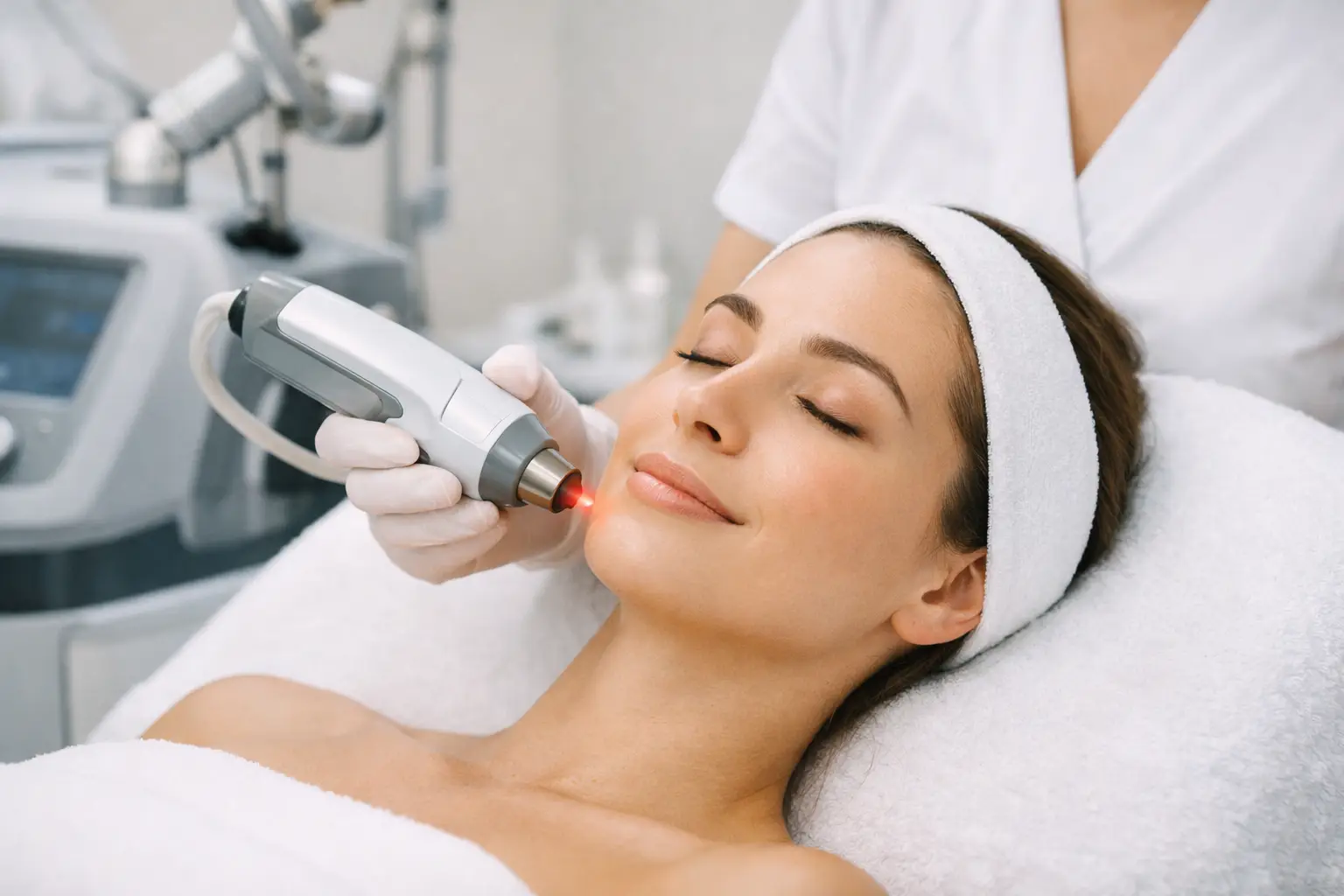
Most appointments begin with skin cleansing, photos when appropriate, and eye protection. Depending on the technology and treatment area, a topical numbing cream may be used. During treatment, clients commonly describe the sensation as quick warmth, light snapping, or a brief prickling feeling. Comfort measures and clear communication make a difference, so speak up if you need a pause.
A laser appointment can be relatively quick, but your skin continues its response after you leave. Mild redness or sensitivity is common with many treatments. Pigmented areas may temporarily look darker, and resurfacing services can bring visible dryness or flaking as the skin renews. Your provider will explain what is normal for your specific treatment and when to contact the office with concerns.
Recovery Is Part of the Result
The quiet days after a treatment are where thoughtful aftercare earns its value. Use the products recommended for your skin, keep your routine gentle, avoid picking or scrubbing, and be diligent about sun protection. Heat exposure, strenuous exercise, hot yoga, and saunas may need to be avoided briefly, particularly after more intensive treatments.
Do not judge your result too early. With pigment-focused services, spots often darken before they fade. With collagen-stimulating treatments, improvement may continue to develop over several weeks or months. Taking consistent photos in similar lighting can be more revealing than checking the mirror every morning.
For many people, maintenance is the realistic path to lasting radiance. Seasonal sun exposure, natural aging, and changes in skin health continue, so your provider may recommend periodic follow-up treatments and a home routine that supports what you have invested in.
Choosing the Right Time for Laser Care
There is rarely a perfect time, but there may be a smarter time. If you have a wedding, vacation, photoshoot, or major event, schedule your consultation well in advance. Even a low-downtime treatment can bring temporary redness or pigment changes, and more intensive resurfacing requires room in your calendar for recovery.
Fall and winter are popular seasons for laser care because reduced sun exposure can make aftercare simpler. Still, treatments can be performed at other times of year when you are able to commit to careful sun protection and follow the instructions designed for your skin.
The most rewarding laser plan is not the fastest or most aggressive one. It is the one that respects your skin, supports your schedule, and helps you feel more confident each time you catch your reflection.
