
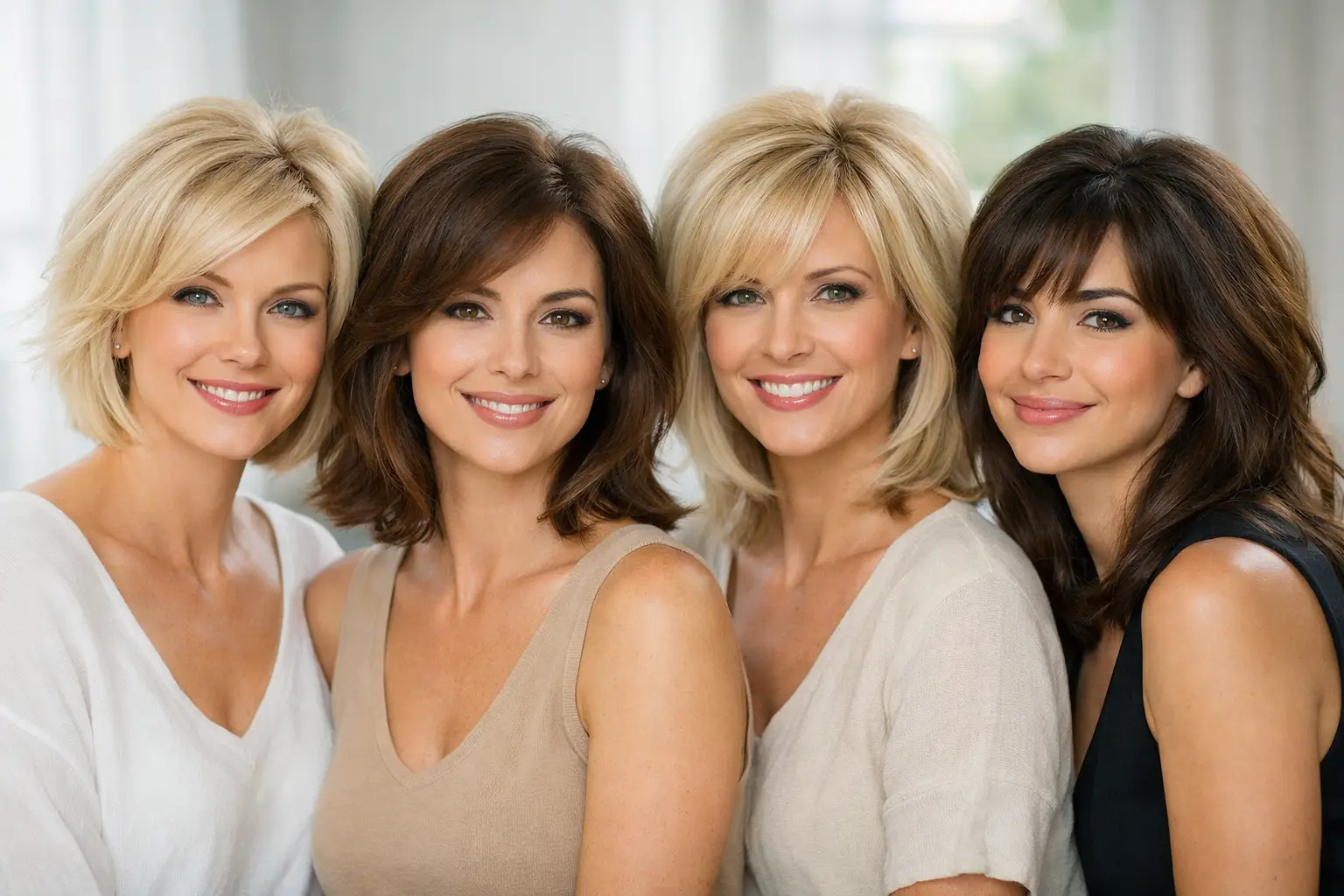
Fine hair does not need a complicated cut to look full. It needs the right shape. The best haircuts for fine hair create the appearance of density by keeping the perimeter strong, placing layers with intention, and working with your natural texture instead of thinning it out further.
If your hair tends to fall flat by lunchtime, feel wispy at the ends, or lose volume as it grows, your haircut can make a meaningful difference. A thoughtful consultation is the place to start, because the most flattering choice depends on your face shape, hair density, daily styling routine, and how much length you truly want to maintain.
What Fine Hair Needs From a Haircut
Fine hair refers to the diameter of each individual strand, not necessarily how much hair you have. You can have fine strands and plenty of them, or fine strands with lower density. In either case, overly heavy layers, aggressive texturizing, and long, uneven ends can make hair look thinner than it is.
The most successful cuts usually preserve a clean, substantial baseline. That strong edge helps the hair appear thicker from every angle. Strategic movement around the crown or face can add softness, but the goal is never to remove so much weight that the style loses its shape.
Your lifestyle matters, too. A polished blunt bob may be ideal if you enjoy a quick blowout or sleek finish. If you prefer to air-dry and wear a little natural bend, a softly shaped lob may give you more flexibility. The right haircut should support the way you actually live, not create a longer morning routine than you want.
The Best Haircuts for Fine Hair
1. The Blunt Bob
A blunt bob is one of the most reliable choices for making fine hair look fuller. Cut around chin length or just below it, this style keeps the ends looking dense and healthy. Its clean line creates an immediate visual boost, especially for hair that has become see-through at the bottom.
A classic blunt bob can be worn smooth, tucked behind one ear, or styled with a slight bend. For clients with very straight fine hair, a subtle off-center part may add lift at the crown without relying on excessive teasing or product.
2. The Collarbone-Length Lob
For women who want the fullness of a bob without committing to a shorter length, the lob is a beautiful middle ground. Landing near the collarbone, it has enough length for a ponytail while still looking modern and substantial.
A one-length lob is especially flattering when hair is fine and low-density. If your hair has more natural movement, a stylist can add a few long, invisible layers to prevent a triangular shape. The key is restraint. A lob with too many layers can quickly lose the density that makes it so flattering.
3. The French Bob
A French bob, typically cut between the cheekbone and jawline, brings a confident, chic shape to fine hair. The shorter length makes the hair feel lighter while the blunt perimeter keeps it looking intentionally full. It can be particularly striking with a soft fringe or face-framing pieces.
This is a style that benefits from regular maintenance. Plan on trims every six to eight weeks to protect the clean shape and keep the ends looking fresh. If you love a refined, fashion-forward look and do not mind styling your hair most mornings, it can be a lovely option.
4. The Textured Pixie
A pixie can make fine hair look remarkably full because it removes the weight that often pulls longer fine strands flat. With a little length left through the crown and a softly tapered neckline, the cut can create height and a flattering silhouette.
Texture should be added carefully. Fine hair still needs enough substance to avoid looking fuzzy or sparse, so the best pixies use tailored detail rather than heavy razor work. This cut is ideal for someone ready for a fresh change and comfortable with more frequent salon visits to maintain the shape.
5. The Bixie
A bixie blends the softness of a bob with the cropped ease of a pixie. It has more movement than a traditional blunt bob but feels less committed than a very short cut. Fine-haired clients often appreciate the volume it can create at the crown and around the face.
Because the style has a slightly undone finish, it works well with a light mousse or root-lifting spray and a quick rough-dry. It is also a smart choice for growing out a pixie while keeping the overall look polished.
6. Long Hair With a Strong Baseline
Fine hair can absolutely be worn long, but length needs a little more strategy. The longer hair gets, the more its own weight can pull it downward, reducing volume at the roots and making fragile ends more noticeable. A strong, blunt baseline helps preserve the appearance of fullness.
Rather than asking for lots of layers, consider gentle face framing that begins below the chin. This gives the cut movement without sacrificing the density through the bottom. Regular trims are essential, since fine ends can look thin quickly once they become dry or split.
7. The Soft Shag, With Careful Layering
A modern shag can work on fine hair, but it is not a one-size-fits-all solution. The right version has soft, long layers and enough weight left through the perimeter to maintain density. It can be especially flattering on fine hair with natural wave, because the texture helps support the layered shape.
If your hair is very straight, very fine, or low-density, ask your stylist whether a shag-inspired face frame would be more suitable than a fully layered cut. You can still enjoy movement and personality without creating ends that feel too wispy.
8. A Bob With Subtle Internal Layers
Internal layers are placed within the haircut rather than visibly chopped into the outer shape. For fine hair, they can create gentle movement and prevent a blunt cut from sitting too heavily, while allowing the perimeter to remain strong.
This technique is especially useful for someone with fine but dense hair. It gives the hair room to move and creates a more natural finish without removing the fullness you want to protect.
9. A Shoulder-Length Cut With Curtain Bangs
Curtain bangs can bring softness and interest to fine hair without requiring a dramatic overall change. Paired with a shoulder-length cut, they create shape around the eyes and cheekbones while keeping the rest of the hair full.
The trade-off is styling. Bangs tend to need a quick refresh each morning, particularly in Scottsdale heat or after a workout. A small round brush and a directed blow-dry at the roots can make them look effortlessly polished in just a few minutes.
10. The Graduated Bob
A graduated bob is slightly shorter in the back and longer toward the front. When customized well, it can create a beautifully lifted profile and make fine hair appear fuller at the nape and crown. The graduation should be subtle, not overly stacked, for a current and elegant result.
This cut is a strong choice for clients who want visible shape and volume but prefer a more classic finish than a textured crop. It looks especially polished with a smooth blowout and a touch of lift at the root.
Styling Choices That Protect Volume
A great cut gives you a better starting point, but a few habits will help it perform at its best. Fine hair generally responds well to lightweight products used sparingly. Heavy oils, rich creams, and too much dry shampoo can make strands separate and look less dense.
Start your blowout by lifting the roots in the opposite direction of where they will ultimately fall. Once the hair is mostly dry, place your part and use a round brush for shape. A lightweight volumizing mousse or root spray can help, but product should support the cut rather than carry the entire style.
Color placement can also create the illusion of dimension. Soft highlights, lowlights, or a carefully blended root can make fine hair look more textured and visually full. The healthiest approach is always a personalized color plan that respects your hair’s condition and maintenance preferences.
Questions to Bring to Your Hair Appointment
Before choosing a new style, be honest about how much time you want to spend on your hair. Ask whether the cut will air-dry well, how often it will need to be trimmed, and which styling steps will make the biggest difference. Photos are helpful, but your stylist should also assess whether the inspiration image reflects hair like yours in texture, density, and natural movement.
At Hydrate Salon + Day Spa, a personalized hair consultation can help you choose a cut that feels current, flattering, and easy to maintain. The goal is not simply more volume for one day. It is a shape that helps you feel polished and confident each time you look in the mirror.
The most flattering haircut for fine hair is often the one that makes your routine feel simpler. Keep the ends healthy, choose shape over excessive layering, and let your stylist tailor the details to the hair you have – not the hair you think you should have.
