
Smooth skin can make a morning routine feel noticeably easier, especially when shaving, waxing, and managing ingrown hairs have become a constant cycle. This guide to laser hair reduction explains what treatment can realistically do, how to prepare, and how to choose care that feels as comfortable as it is effective.
Laser hair reduction is not about promising that you will never see another hair. It is a series-based treatment designed to significantly reduce unwanted hair over time. With the right plan and professional guidance, it can be a smart, confidence-building option for areas you are tired of maintaining.
What Laser Hair Reduction Actually Does
Laser technology directs concentrated light toward pigment in the hair. That light converts to heat at the follicle, disrupting its ability to produce new hair. Because the treatment targets pigment, hair that is darker than the surrounding skin often responds most predictably.
The word reduction matters. Hair grows in cycles, and only hairs in an active growth phase are effectively targeted during a given appointment. That is why one session is not enough. A complete series helps address different hairs as they enter the appropriate stage of growth.
Most clients notice that treated hair becomes finer, grows in more slowly, and appears less densely over the course of their sessions. Some areas may need occasional maintenance later, particularly when hormones, genetics, or life changes influence hair growth. Think of it as less time spent managing hair, not a guarantee of permanent hairlessness.
Is Laser Hair Reduction Right for You?
A thoughtful consultation is where results begin. Your provider should review your skin tone, hair color, hair texture, treatment area, medical history, current medications, and recent sun exposure before recommending a plan. A quality laser system is only part of the equation. Proper settings and experienced treatment decisions are equally essential.
Coarse, dark hair typically responds well, especially in areas such as the underarms, bikini line, legs, and lower face. Fine hair can be more variable, and very light blond, gray, white, and red hair may not respond well because there is less pigment for the laser to identify.
Skin tone does not automatically determine whether you can receive treatment. Today’s technologies and settings can serve a broader range of skin tones than older systems, but this is exactly why a personalized assessment matters. The safest, most effective option depends on your individual contrast between skin and hair, along with the device being used.
You may need to postpone treatment if you are pregnant, have an active skin infection or open irritation in the area, are using certain photosensitizing medications, or have recently tanned. Be candid during your consultation. A careful provider would rather adjust your timeline than compromise your skin.
Your Guide to Laser Hair Reduction: Before the First Visit
Preparation is straightforward, but it has a real effect on safety and treatment quality. Avoid intentional tanning, tanning beds, and self-tanner on the treatment area before your appointment. Fresh sun exposure can make skin more reactive and may require your provider to reschedule or adjust settings.
Shave the area as directed, usually the day before or the day of treatment. Shaving leaves the follicle intact below the skin, which is what the laser needs to target. Waxing, tweezing, threading, and epilating remove the hair from the root, so they should be avoided for several weeks beforehand unless your provider gives you different instructions.
Arrive with clean skin whenever possible. Skip heavy lotion, body oil, deodorant, makeup, and fragranced products on the area being treated. If you have used a new prescription, started a supplement, had a cosmetic procedure, or developed any skin sensitivity since your consultation, mention it before treatment begins.
What a Treatment Appointment Feels Like
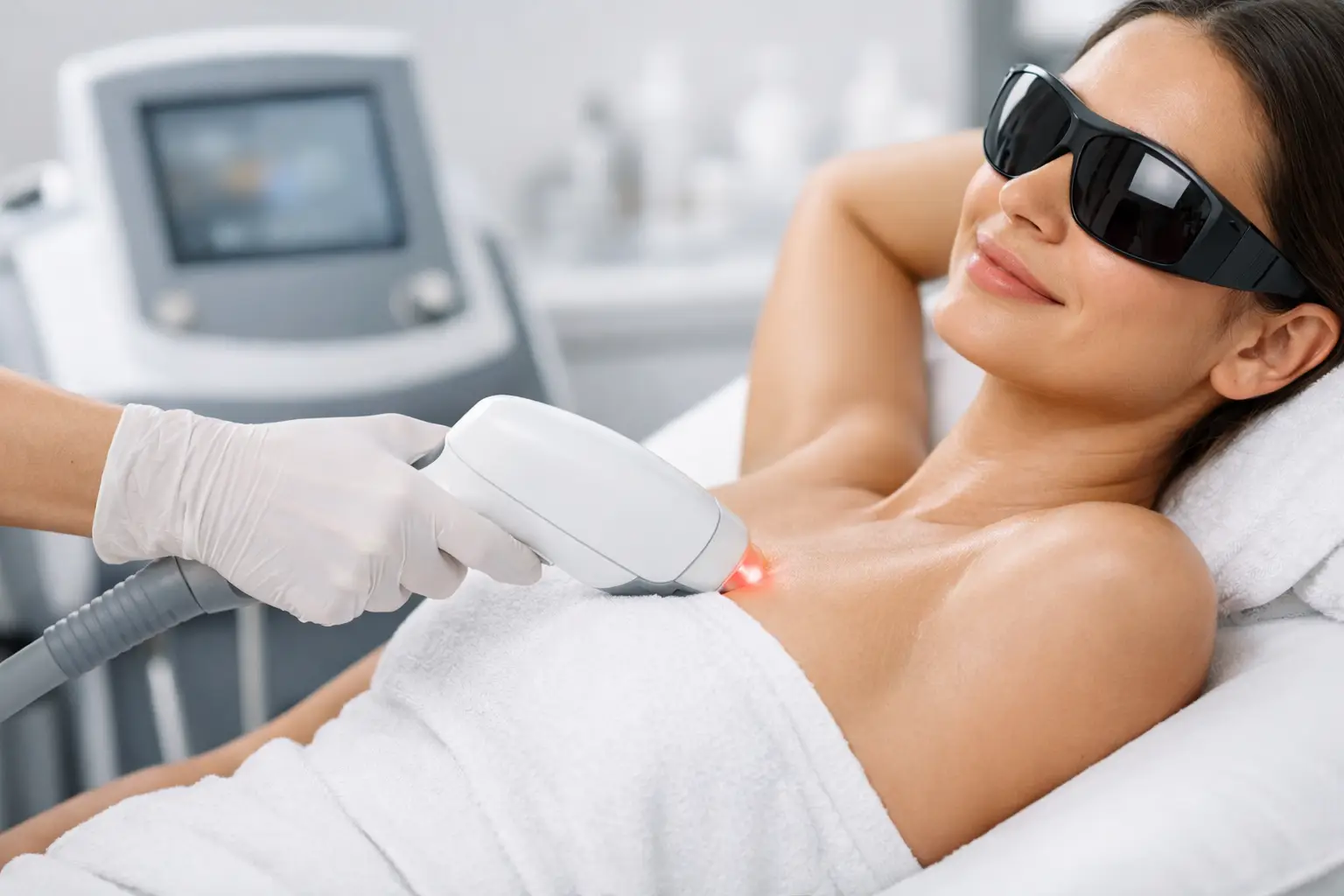
A laser appointment is generally efficient. Small areas, such as the upper lip or underarms, can often be treated quickly, while larger areas like full legs naturally take longer. Your provider will cleanse the skin, provide protective eyewear, and select settings suited to your treatment plan.
Many clients describe the sensation as a quick snap of warmth against the skin. Modern devices may include cooling features that make treatment more comfortable, and your provider can pause if needed. Sensitivity varies by body area, cycle timing, and personal pain tolerance. The bikini line can feel more intense than the lower legs, for example.
You may notice a mild warmth or redness afterward, similar to a light sunburn. This is often temporary. Your provider should explain what is normal for your skin and give you clear post-treatment guidance before you leave.
Care Between Sessions Protects Your Results
For the first day or two, treat the area gently. Keep it cool, avoid hot yoga, saunas, steam rooms, hot baths, and strenuous workouts if your skin feels warm or irritated. Use a simple, soothing moisturizer if recommended, and avoid scrubs, exfoliating acids, retinoids, or fragranced products until sensitivity has settled.
Sun protection is a nonnegotiable part of laser care. Cover treated skin when practical and apply broad-spectrum sunscreen to exposed areas. Protecting the skin helps reduce the chance of uneven pigmentation and keeps future sessions on track.
It can be surprising when treated hairs seem to continue growing after an appointment. Often, those hairs are shedding from the follicle rather than actively growing. This process may take one to three weeks. Resist the urge to tweeze or wax. Shaving between sessions is usually fine, but follow the recommendations created for you.
Call your provider if you experience prolonged discomfort, blistering, pronounced swelling, or any reaction that concerns you. Good aesthetic care includes being available for questions, not simply sending you home with generic instructions.
How Many Sessions Will You Need?
Most treatment plans include multiple appointments spaced several weeks apart. The exact number depends on the body area, hair density, hair growth cycle, hormones, and your response to treatment. Facial areas may follow a different schedule than legs or underarms because their growth patterns can vary.
Consistency is more valuable than rushing. Scheduling too close together does not force inactive follicles into a treatable stage, while waiting too long can slow your momentum. Your provider will recommend an interval that aligns with the area being treated and adjust as your hair reduction progresses.
Hormonal areas can require more patience. The chin, jawline, and other facial areas may be influenced by hormonal shifts, and some clients choose periodic maintenance to preserve their preferred level of smoothness. That is not a treatment failure. It is a realistic part of building a plan around your body rather than against it.
Choosing a Provider You Can Trust
Laser hair reduction should feel polished, private, and carefully managed, not rushed or intimidating. Look for a provider who welcomes questions, discusses both benefits and limitations, reviews your health history, and explains the type of technology being used. You should never feel pressured into treating an area that has not been assessed.
It is also reasonable to ask how the provider approaches different skin tones, what you should do if you have a reaction, and whether a test spot is appropriate. Clear answers are a sign of professional care. At Hydrate Salon + Day Spa, that combination of advanced aesthetic expertise and a warm, spa-centered experience helps clients feel supported from consultation through maintenance.
The best time to begin is when you can commit to the recommended schedule and protect your skin from excess sun exposure. Bring your questions, share your goals honestly, and let a personalized consultation turn a repetitive grooming task into a treatment plan designed around your comfort and confidence.
