That tight, papery feeling after cleansing is not something you need to simply accept. When skin is dry, makeup can settle unevenly, fine lines can look more noticeable, and even a dependable skincare routine may suddenly feel like it is falling short. The best facials for dry skin focus less on aggressive correction and more on replenishing water, supporting protective lipids, and helping your complexion hold on to moisture.
A professional facial also offers something a product shelf cannot: informed adjustment. Your esthetic provider can look beyond surface flaking to determine whether your skin is truly dry, temporarily dehydrated, sensitized, or dealing with a compromised moisture barrier. Those concerns can look similar, but they do not always need the same treatment.
What Dry Skin Needs From a Facial
Dry skin produces less oil than it needs to stay comfortably protected. Dehydrated skin, on the other hand, lacks water and can occur even in an oilier complexion. Many Scottsdale clients experience both, particularly after sun exposure, travel, retinoid use, seasonal shifts, or time in air-conditioned spaces.
The most helpful facial should begin with a gentle cleanse and a careful skin assessment. From there, the goal is to soften rough texture without stripping the skin, layer in humectants that attract water, and use nourishing creams or masks that reduce moisture loss. Calming massage, cool globes, and restorative finishing products can make the experience feel wonderfully relaxing, but they also serve a purpose when chosen thoughtfully.
Look for ingredients such as hyaluronic acid, glycerin, ceramides, squalane, peptides, colloidal oatmeal, and soothing botanical extracts. A well-designed service does not need to make your skin feel intensely tingly to be effective. For dry or sensitized skin, comfort is often a very good sign.
The Best Facials for Dry Skin
The right choice depends on what is making your skin feel dry, how reactive it is, and whether you have another priority such as dullness, uneven tone, or early signs of aging. These are the facial approaches that tend to deliver the most reliable comfort and visible softness.
A customized hydrating facial
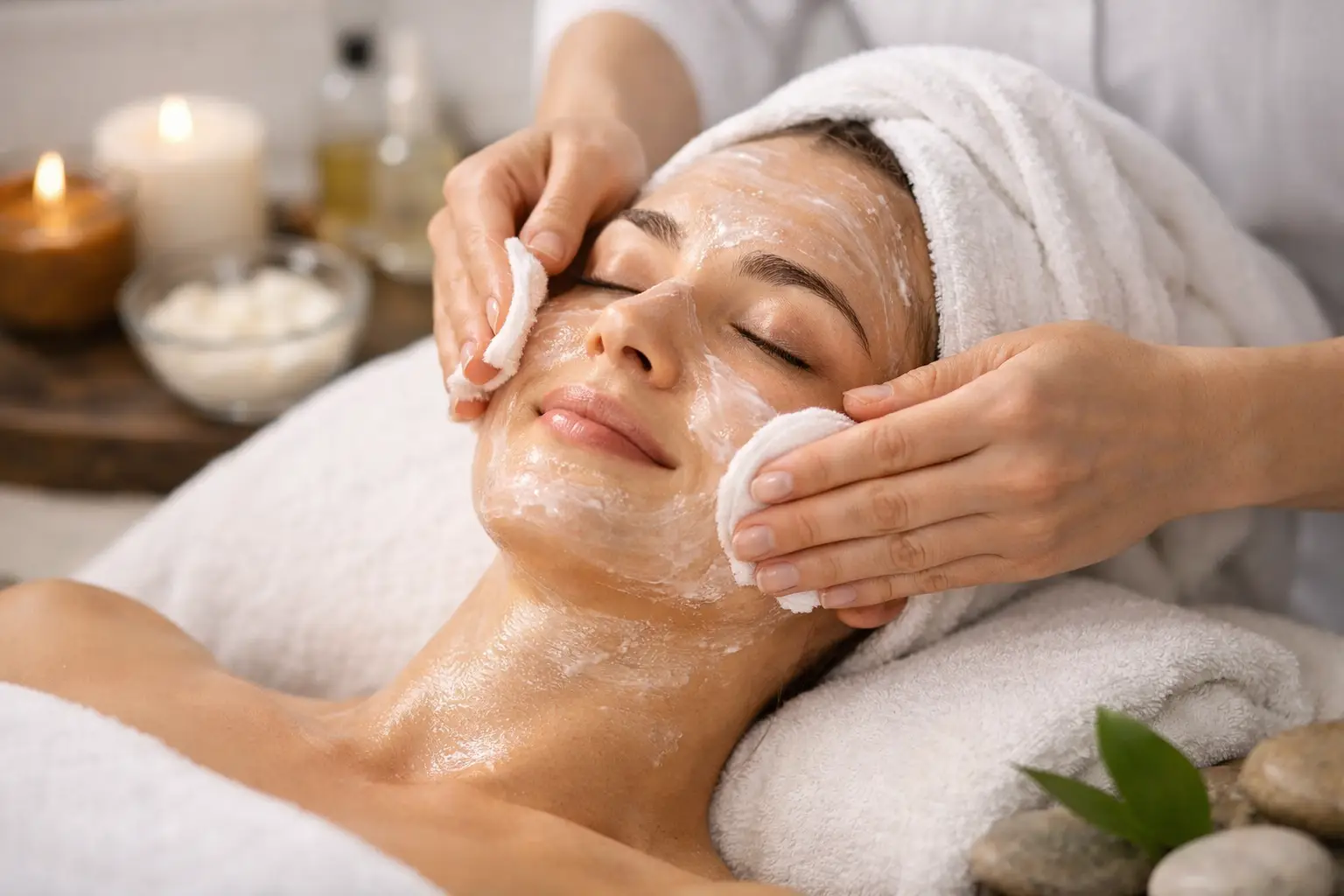
For many people, a customized hydrating facial is the best starting point. It combines gentle exfoliation, hydrating serums, massage, and a moisture-rich mask selected for your skin at that appointment. This is an especially strong choice if your face feels tight, looks lackluster, or has patchy areas that make foundation harder to wear.
The value is in the customization. Someone with dry skin and congestion around the nose may need light extractions in a few targeted areas, while someone with rosacea tendencies may benefit from skipping them entirely. Your treatment should be shaped around your skin rather than forcing your skin into a one-size-fits-all menu.
A barrier-repair facial
If your skin stings when you apply products, becomes red easily, or seems dry no matter how much moisturizer you use, a barrier-focused facial can be the most supportive option. These treatments prioritize calming ingredients and replenishing lipids, often with ceramide-rich creams, gentle masks, and minimal exfoliation.
This facial is not about chasing instant dramatic brightness. It is about giving stressed skin room to recover. Afterward, many guests notice that their skin feels less reactive and that their home products apply more comfortably. Consistency matters here, especially if over-exfoliation or active ingredients have left your complexion feeling fragile.
A gentle enzyme facial
Dry skin can still collect dead surface cells, which is why it can look dull even when it feels sensitive. A gentle enzyme facial uses fruit- or plant-derived enzymes to loosen dead skin cells with less friction than a scrub. When properly selected and timed, it can smooth the appearance of flaky texture and help hydrating products sit more evenly on the skin.
The trade-off is simple: more is not better. Strong enzymes, prolonged processing time, or layering enzymes with other exfoliation can leave dry skin feeling worse. Ask for a conservative approach, followed by generous hydration and barrier-supporting finishing care.
A hydrating facial with LED light therapy
For dry skin that is also visibly red, sensitive, or slow to recover from environmental stress, a hydrating facial paired with LED light therapy can be a thoughtful option. Depending on the light selected and your provider’s assessment, LED can complement a calming, restorative service without the abrasion associated with more intensive resurfacing.
It is best viewed as an add-on to a strong facial plan, not a replacement for moisture support. The benefits tend to build with a series, while the immediate payoff comes from the hydration, soothing massage, and properly chosen products used during the facial itself.
Treatments to Approach Carefully When Skin Is Dry
Dry skin does not mean you must avoid every advanced treatment forever. It does mean timing, preparation, and professional guidance matter. A deeper chemical peel, dermaplaning session, microdermabrasion, or stronger resurfacing treatment may be appropriate for some concerns, but not when your skin is actively tight, flaky, irritated, or sensitized.
For example, dermaplaning can leave skin looking exceptionally smooth and polished when the moisture barrier is healthy. On very dry or compromised skin, however, it may feel too stimulating and can increase sensitivity if paired with potent exfoliants. The same is true of peels. The best result often comes from restoring hydration first, then introducing corrective treatments at the right pace.
Be open with your esthetic provider about retinoids, prescription acne products, recent waxing, sun exposure, allergies, and any tendency toward eczema or rosacea. These details help protect your comfort and influence which facial is appropriate that day.
How Often Should You Book a Facial for Dry Skin?
For ongoing dryness, a facial every four to six weeks is often a comfortable rhythm. This gives your skin regular professional support while allowing enough time to see how it responds to your home routine. If your skin is especially stressed after a trip, a seasonal change, or a period of over-exfoliation, your provider may suggest a shorter-term plan focused on barrier recovery.
The facial will work best when home care supports it. Use a mild cleanser, apply hydrating serums to slightly damp skin, and seal them in with a moisturizer suited to your skin type. Daily sunscreen is essential in North Scottsdale, where heat and sun exposure can make dryness and irritation more persistent. If you use retinol or exfoliating acids, your provider can help you decide how frequently to use them without compromising hydration.
Make Your Appointment Work Harder for Your Skin
Arrive with a clear picture of what your skin has been doing lately. Mention whether it feels tight after cleansing, whether makeup pills, where flakes appear, and what products cause stinging. Photos of a recent flare-up can be helpful too, especially if your skin happens to look calm on appointment day.
At Hydrate Salon + Day Spa, a personalized facial experience can help take the guesswork out of caring for dry skin while still feeling like the restorative pause you deserve. Ask your provider which facial approach fits your skin now and which small changes at home will help extend that fresh, comfortable glow.
Your skin does not need to feel stripped to look refined. With the right balance of gentle renewal and lasting moisture, a facial can leave you feeling refreshed, comfortable, and ready to face the day with confidence.
