
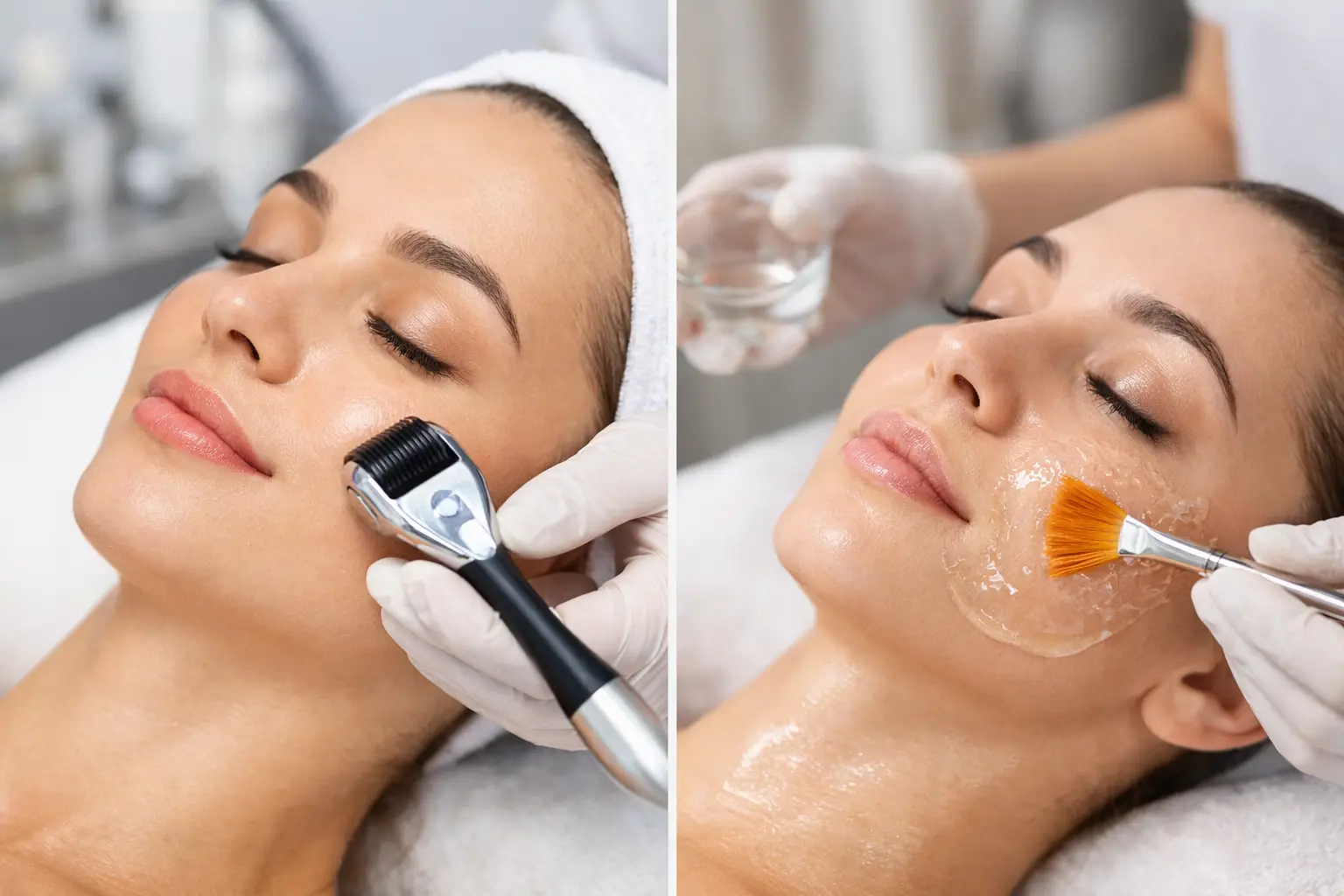
A smooth, radiant complexion can make even a simple hair appointment or lunch date feel a little more polished. But when you are deciding between microneedling vs chemical peel, the best treatment is not always the one with the biggest buzz. It is the one that fits your skin concerns, your comfort level, and the amount of downtime your schedule allows.
Both treatments can refresh dull-looking skin, soften the appearance of fine lines, and support a clearer, more even complexion. They work in very different ways, though. Understanding that difference helps you make a choice you can feel good about – whether your priority is smoother texture, a brighter tone, fewer breakouts, or a more youthful-looking glow.
Microneedling vs Chemical Peel: The Main Difference
Microneedling works by creating controlled microchannels in the skin with a specialized device. Those tiny channels trigger the skin’s natural repair response and encourage collagen and elastin production over time. The goal is not to remove the surface of the skin, but to help strengthen and renew it from within.
A chemical peel uses a professional solution to exfoliate the skin at a selected depth. Depending on the type and strength of peel, it can loosen dead surface cells, improve the look of discoloration, and promote a clearer, brighter surface. Some peels create visible flaking or peeling, while gentler options may leave skin looking refreshed with little to no visible shedding.
Think of microneedling as a treatment that focuses heavily on texture and collagen support. A chemical peel is often a strong choice when surface concerns such as dullness, congestion, uneven tone, and discoloration are leading the conversation. There is overlap, of course, which is why a thoughtful skin consultation matters.
When Microneedling May Be the Better Choice
Microneedling is often recommended for clients who want to improve the look of acne scarring, enlarged pores, fine lines, or uneven texture. Because it supports collagen production, results tend to build gradually. You may notice a fresh glow after a treatment, but the more meaningful changes usually appear over several weeks as the skin continues its renewal process.
It can also be an appealing option for clients who want a treatment plan with less focus on peeling. Expect temporary redness, warmth, and a slightly tight feeling afterward. Many people describe the first day as similar to a moderate sunburn. Depending on your skin and treatment intensity, redness can last one to three days.
Microneedling is not a quick fix for every concern. It generally works best as a series of treatments, spaced apart to give the skin time to respond. Patience pays off here. If your goal is to soften the appearance of long-standing acne scars or improve a crepey texture, a customized treatment series may offer more value than a one-time appointment before an event.
Microneedling can be especially helpful for
Microneedling may suit concerns including early signs of aging, rough skin texture, visible pores, certain acne scars, and skin that has lost some of its bounce. It may also be appropriate for a range of skin tones when performed by a trained provider using the right technique and preparation.
If you have active acne, an active skin infection, open wounds, or a history of certain scarring concerns, your provider may recommend waiting or choosing another approach. Your skin should be calm and healthy before treatment begins.
When a Chemical Peel May Be the Better Choice
A chemical peel can be a beautiful choice when your skin looks tired, congested, or uneven and you want a visible refresh. It is commonly used to address dullness, mild breakouts, clogged pores, post-breakout marks, sun-related discoloration, and fine lines near the skin’s surface.
The experience and recovery period depend on the peel. Light peels may feel tingly and leave your complexion looking brighter after a short period of mild dryness. Medium-depth options can involve more noticeable peeling and a longer social downtime. Your provider should explain exactly what to expect before treatment, including how to care for your skin while it sheds.
For North Scottsdale clients, sunscreen is a particularly essential part of peel aftercare. Freshly treated skin is more sensitive to the sun, and protecting it carefully helps preserve your results and lower the risk of unwanted discoloration. A professional-grade sunscreen, shade, and a pause on direct sun exposure are not optional extras after a peel – they are part of the treatment plan.
Chemical peels can be especially helpful for
A peel may be the right fit if your main goal is a brighter-looking complexion, smoother makeup application, fewer visible clogged pores, or improvement in uneven pigmentation. It can also be a helpful treatment before a special occasion, provided you allow enough time for your skin to settle. Do not schedule a stronger peel just days before a wedding, vacation, or important event.
People who are pregnant, breastfeeding, using certain prescription medications, or managing conditions such as eczema or rosacea should always discuss their history with a qualified provider first. The right peel depends on more than a single skin concern. Your current routine, sensitivity level, and recent treatments all influence what is safe and appropriate.
Downtime, Comfort, and Results
The decision often comes down to a practical question: what can your calendar accommodate?
Microneedling usually involves one to three days of noticeable redness, followed by a period of smoother, brighter-looking skin. You will typically be asked to avoid makeup for a short time and keep your routine gentle while the skin recovers. Results are gradual, especially when collagen remodeling is the goal.
Chemical peel downtime varies much more. A light peel can be a convenient option for ongoing maintenance, while a more intensive peel requires planning around flaking, sensitivity, and sun avoidance. Results can be more immediately apparent at the surface, particularly when dullness and congestion are the primary concerns.
Neither treatment should feel like a one-size-fits-all service. Skin that is dry, sensitive, acne-prone, or prone to discoloration needs a different approach than skin that is resilient and focused mainly on texture. The strongest treatment is not automatically the best treatment. The best one is tailored to your skin and performed at the right pace.
Can You Combine Microneedling and Chemical Peels?
Yes, many clients benefit from both treatments as part of a longer-term skincare plan, but they are not typically performed together in the same aggressive session. Your provider may alternate them or schedule them weeks apart based on your goals and how your skin responds.
For example, a client concerned with acne scars and uneven tone may use microneedling to support texture and collagen, then incorporate carefully selected peels to refine surface brightness and breakouts. Someone preparing for a season of events may choose lighter peels for maintenance while reserving microneedling for periods when they can commit to a treatment series.
This is where professional guidance adds real value. Instead of collecting treatments from different places and hoping they work together, you can build a plan that considers your skin history, lifestyle, and desired results.
How to Choose the Right Treatment for You
Start with the concern that bothers you most when you look in the mirror. If it is pitted acne scarring, loss of firmness, rough texture, or visible pores, microneedling may deserve a closer look. If it is a lack of radiance, stubborn congestion, uneven tone, or superficial dark spots, a chemical peel may be a more direct fit.
Then consider your timing. If you have a vacation, a photo session, or a major event ahead, be honest about how much recovery time you can give your skin. A personalized consultation can help you choose a treatment intensity that supports your goals without adding stress to an already full calendar.
At Hydrate Salon + Day Spa, skin treatments are approached with both results and comfort in mind. A provider can assess what your skin needs now, recommend professional home care that supports your treatment, and help you plan your next steps with confidence.
Your skin does not need to follow a trend or match anyone else’s routine. Give it the care, consistency, and thoughtful expertise it deserves, and let your treatment plan be one more way you show up feeling refreshed and confident.
