
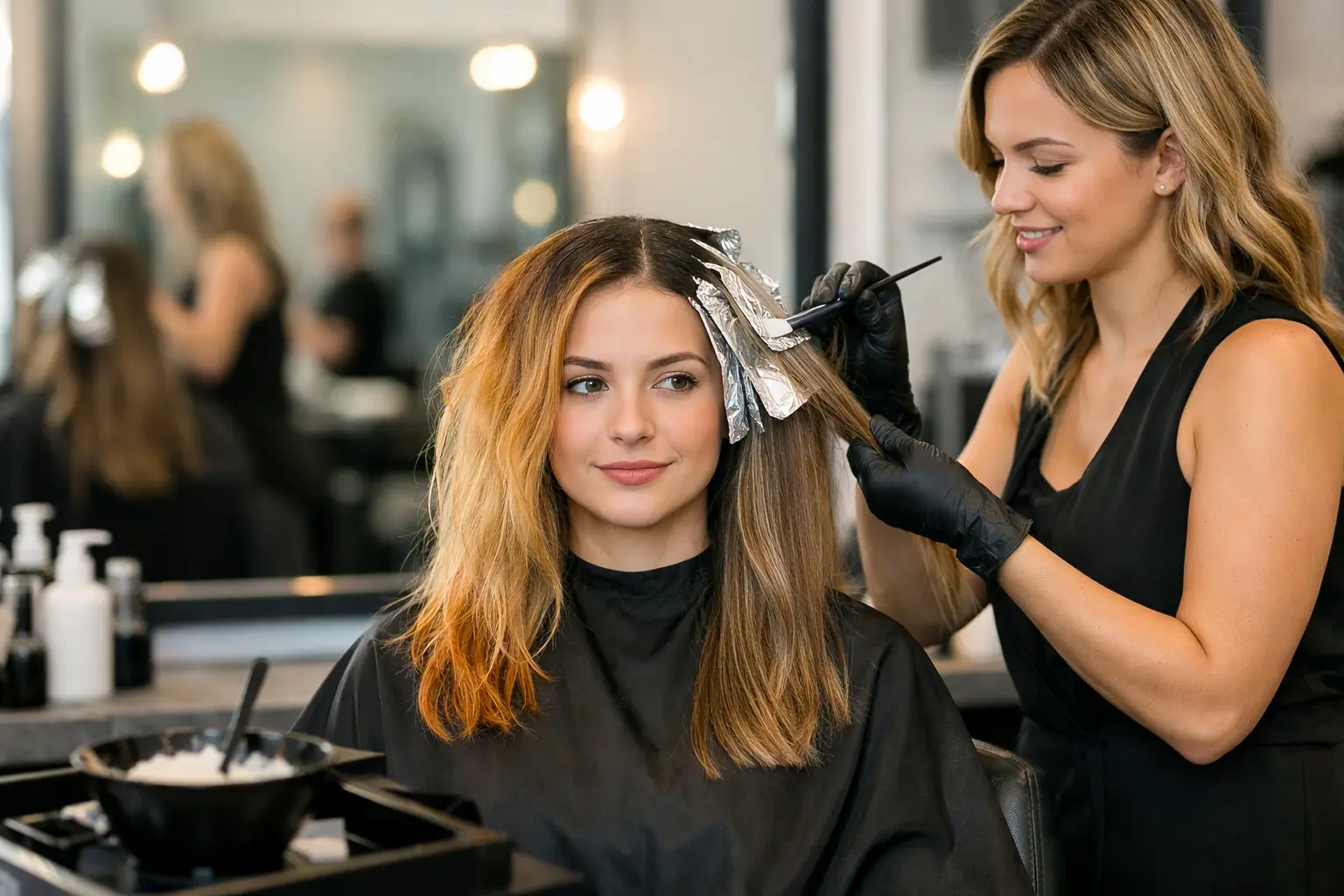
A color appointment should leave you feeling polished, not worried about hiding your hair in a ponytail. When highlights turn orange, a brunette shade looks too dark, or at-home color creates uneven bands, salon hair color correction offers a thoughtful path back to a shade that feels like you. The goal is not simply to cover the problem. It is to assess what your hair can safely handle, create a realistic plan, and restore a result you feel confident wearing.
What salon hair color correction really means
Color correction is a customized service for hair that has an unwanted tone, uneven color, excessive darkness, patchiness, or damage-related challenges after a previous coloring service. It can address a wide range of situations, from a blonding appointment that lifted too warm to box dye that has built up over time.
The word “correction” can sound dramatic, but many appointments are more refined than extreme. A toner, strategically placed lowlights, a gloss, or a gentle root blend may be enough to create a more balanced, expensive-looking finish. Other situations require more time because the hair needs to be lightened, artificial pigment needs to be lifted, or several color zones need to be blended together.
The right approach depends on your starting point, your desired shade, your hair’s condition, and the color history still sitting in the hair. That is why a professional consultation is the most valuable first step.
Signs it is time for a color correction
Most guests know something feels off before they know exactly what to call it. Brassiness is a common concern, especially when blond or highlighted hair reveals gold, orange, or yellow tones that do not match the intended result. In other cases, the issue is unevenness: darker roots, lighter ends, visible stripes, or a harsh line where an old color service grew out.
Color correction can also help when a new shade feels too dark, too cool, too red, or simply unlike the inspiration photo you had in mind. A professional can adjust tone and dimension without automatically taking the most aggressive route.
At-home color deserves special care. Box color can be beautiful in the moment, but its pigment may be more difficult to predict and remove than salon color. If your goal is a much lighter shade after using dark color, patience protects your hair. A stylist may recommend working toward the result over more than one visit rather than risking breakage for a one-day transformation.
Why hair history matters
Your hair holds a record of its past. Permanent color, glosses, toners, highlights, henna, hard-water minerals, and even certain medications can affect how it processes. Two heads of hair can look similar at the consultation and react very differently once color is applied.
Be open about every color service and at-home product you remember, including when you last used them. This is not about judgment. It helps your stylist choose the safest formulas and set expectations that honor both your color goals and the condition of your hair.
What happens during a professional consultation
A careful consultation begins with listening. You and your stylist will discuss what you dislike about your current color, what you would love to see instead, and how much maintenance fits your lifestyle. Bringing a few inspiration photos is helpful, particularly if you can point out what you like in each image: the brightness around the face, the depth at the root, or the overall warmth.
Your stylist will examine the hair from root to ends, looking at tone, previous color placement, porosity, elasticity, and areas that may be more fragile. A strand test may be recommended when there is a complex color history or significant lightening involved. This small test gives valuable information about how the hair will lift and whether it is ready for the planned service.
A good consultation also includes a candid conversation about timing and investment. Some corrections can be completed in one visit, while others are best planned as a series. There is real value in a stylist who tells you when your hair needs a gentler pace. Healthy, glossy hair is always a better finish than a rushed shade that cannot hold up.
The techniques behind a natural-looking correction
There is no single formula for salon hair color correction. Your service may combine several techniques to soften contrast, refine tone, and create movement that looks intentional.
For unwanted warmth, a toner or gloss can neutralize brassiness and add shine. These services are often ideal when the hair has lifted to an appropriate level but needs a cooler, softer, or more balanced finish. Toners are not meant to dramatically lighten dark hair, so they work best when the underlying level already supports the desired color.
When hair is too dark from previous color, a stylist may use a color remover, selective lightening, or carefully placed highlights. Each option has trade-offs. Color remover can address artificial oxidative color but may reveal warm underlying pigment. Lightening can create brightness, yet it asks more of the hair and may need to be spaced out to maintain its integrity.
For patchiness or strong bands, dimensional color is often the answer. Lowlights can bring overly light areas back into harmony, while face-framing brightness and blended highlights can make the entire color feel fresher. Root melts and shadow roots help transition between colors, reducing the appearance of harsh lines and making grow-out feel more graceful.
Why a gloss can make a meaningful difference
Not every correction requires dramatic lightening. A professional gloss can refine tone, soften dullness, add reflective shine, and make color look more cohesive. It is a wonderful option for guests who want to refresh their look while giving their hair a lower-impact service.
A gloss is also a smart maintenance choice between larger color appointments. If you love a lived-in blonde, rich brunette, or dimensional red, regular tone and shine appointments can keep the color looking intentional instead of faded.
How to prepare for your appointment
Arrive with clean, dry hair unless your stylist gives different instructions. Avoid heavy oils, root sprays, and temporary color products right before the visit, as they can make it harder to accurately evaluate your hair. If possible, take a few photos in natural light before your appointment. They can show how the color reads outside of indoor lighting.
It also helps to protect enough time in your schedule. Color correction is detail-oriented work, and appointments can take longer than a routine root touch-up or gloss. Think of it as dedicated time for a result that is considered from every angle, not a service to rush between errands.
If you have an upcoming event, schedule your consultation well in advance. This gives your stylist room to recommend the best sequence of services and allows time for any needed follow-up toning or refinement.
Caring for corrected color at home
The way you care for your hair after a correction can preserve the result and support its condition. Use professional, color-safe shampoo and conditioner suited to your shade and hair needs. If brassiness is a concern, your stylist may suggest a violet or blue-toned cleanser, but use it as directed. Overusing toning shampoo can leave certain hair types looking dull or overly cool.
Heat protection matters every time you blow-dry, curl, or straighten. Hot tools can fade tone and add stress to hair that has recently been lightened. Gentle detangling, regular conditioning treatments, and trims when needed will help maintain softness at the ends.
Water can also influence color, especially in areas with mineral-heavy water or frequent swimming. If your blonde begins to look dull or your color takes on an unexpected cast, mention it at your next appointment. A stylist can recommend an in-salon treatment or adjust your home routine.
A plan that puts hair health first
The most beautiful correction is one that respects where your hair is now. Sometimes that means leaving with a polished intermediate shade and a clear plan for the next appointment. It may mean choosing warm, dimensional blonde before pursuing a cooler, brighter blonde, or adding rich lowlights before gradually lifting old dark color.
At Hydrate Salon + Day Spa, a personalized approach makes room for both your immediate confidence and your longer-term hair goals. You deserve honest guidance, refined color, and an experience that feels comfortable from consultation through the final style.
If your current color is not reflecting how you want to feel, start with a conversation. With the right timing, technique, and care, your next color appointment can be the reset that makes your hair feel healthy, balanced, and beautifully yours again.
