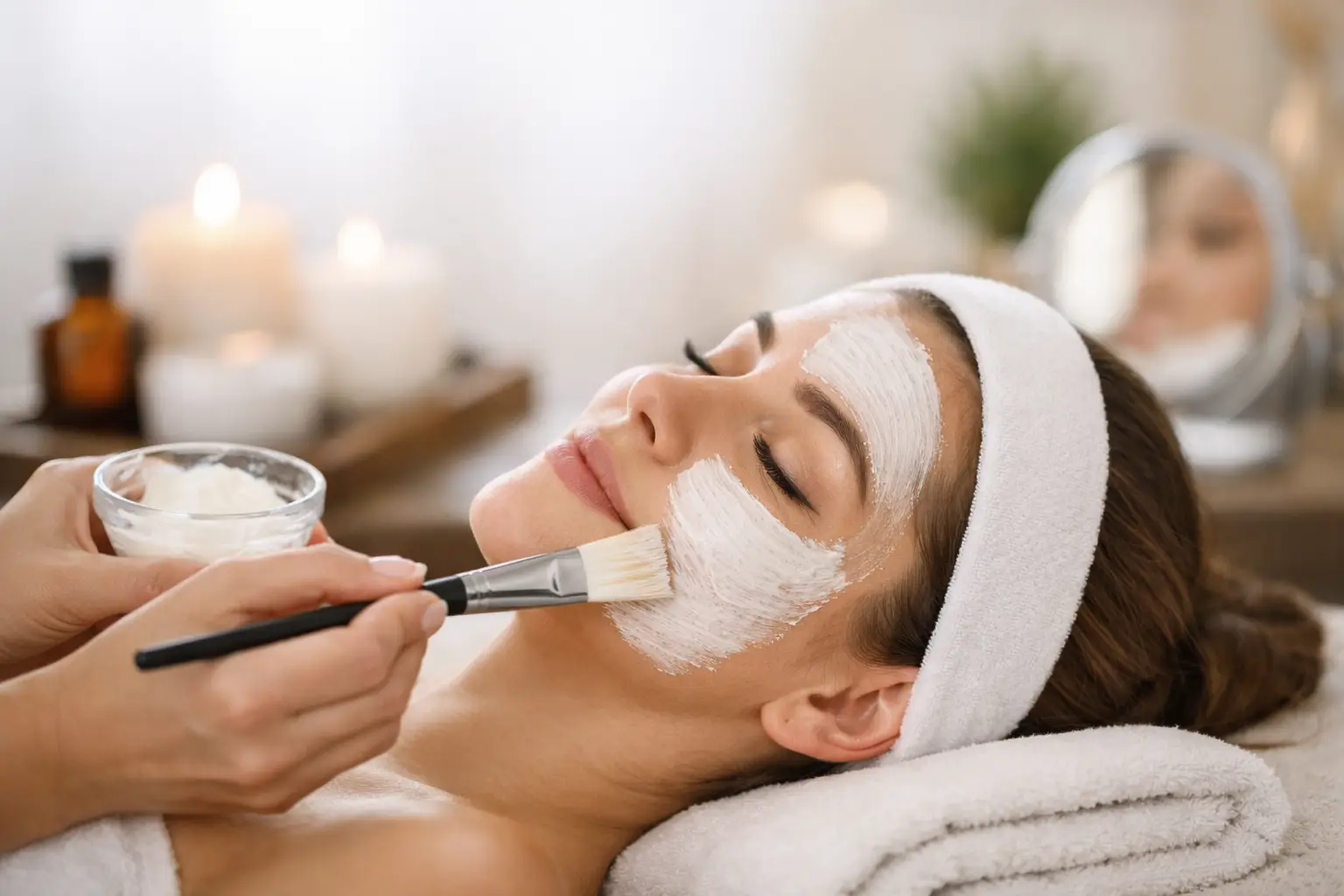
A facial can feel like a welcome reset after a busy week, a stretch of travel, or too much Scottsdale sun. But do facials work beyond the relaxing music, warm towels, and immediate glow? Yes – when the treatment is chosen for your skin and performed consistently, a professional facial can support clearer, smoother, more hydrated-looking skin. The key is having realistic expectations about what one appointment can do and what takes time.
Do Facials Work for Real Skin Concerns?
Facials work best as part of a thoughtful skin care plan, not as a one-time miracle. A well-designed treatment can cleanse more thoroughly than your daily routine, gently exfoliate surface buildup, replenish hydration, calm visible redness, and target concerns such as congestion, dullness, dryness, and uneven texture.
The results you see depend on your starting point, your skin type, the treatment selected, and what you do between visits. Someone with dehydrated skin may leave one appointment looking noticeably plumper and more radiant. Someone managing acne or stubborn discoloration may need a series of treatments, along with the right home care, before seeing a meaningful change.
That does not make facials less worthwhile. It simply means the best results come from treating skin as a long-term investment. Like regular hair appointments or a consistent workout routine, maintenance makes the difference.
What a Professional Facial Can Actually Change
A professional facial is more than cleansing your face with nicer products. Your provider evaluates what your skin needs that day, then combines appropriate techniques and professional-grade formulas to help improve its condition without overwhelming it.
Immediate results: hydration, smoothness, and glow
Many clients notice a difference right away, especially in how their skin feels. Proper cleansing and gentle exfoliation remove excess oil, makeup residue, sunscreen, and dead surface cells that can make the complexion look flat. Hydrating serums, masks, and moisturizers can help skin look fresher and feel more comfortable.
This is why a facial can be a lovely choice before an event, photos, a vacation, or a season when you simply want to look more rested. The glow is real, though it is often temporary. Think of it as a polished, refreshed version of your skin – not a permanent transformation after one visit.
Longer-term results: clearer and more balanced skin
With regular appointments, facials may help support improvements in texture, recurring congestion, mild breakouts, dryness, and overall brightness. Professional extractions, when appropriate, can clear existing clogged pores more safely than picking at home. Calming treatments can also be useful for skin that feels reactive or stressed.
For acne-prone skin, the goal is not aggressive scrubbing. Over-exfoliating or using harsh products can compromise the skin barrier and make irritation worse. A skilled provider adjusts the approach, focusing on gentle clearing, hydration, and products that respect your skin’s tolerance.
For mature skin, facials can help maintain softness, surface smoothness, and hydration. They can also complement more advanced aesthetic treatments. However, a standard facial cannot replace treatments designed to address deeper lines, significant laxity, pronounced pigmentation, or textural scarring.
Where Facials Have Limits
A facial is a valuable professional treatment, but it is not a cure for every concern. No facial can permanently erase pores, stop hormonal acne, remove deep acne scars, or create surgical-level lifting. Be cautious of promises that sound too dramatic or too fast.
Pigmentation is a good example. Exfoliation and brightening ingredients may improve the appearance of mild surface dullness over time, but sunspots and melasma can be complicated. In Arizona, where daily UV exposure is intense, protecting results with broad-spectrum sunscreen is essential. Without sun protection, even a beautiful facial result can fade quickly.
Similarly, deeply etched wrinkles and major changes in skin firmness may call for a more advanced approach. Laser services, targeted peels, microneedling, or other aesthetic options may be more appropriate depending on your goals, skin tone, health history, and comfort level. A trusted provider should tell you when a facial is the right first step and when another service may better serve your investment.
Choosing the Right Facial for Your Skin
The most effective facial is not necessarily the most intense one. It is the one that meets your skin where it is today.
If your skin feels tight, flaky, or dull, prioritize hydration and barrier support. If you are dealing with blackheads or recurring congestion, a treatment with careful extractions and gentle exfoliation may be helpful. If your complexion looks uneven or tired, brightening and resurfacing options can help reveal a more polished appearance, provided your skin can tolerate them.
Share the full picture during your consultation. Mention sensitivity, allergies, pregnancy, current medications, retinol use, recent injectables, waxing, laser treatments, or changes in your routine. These details affect which products and techniques are safe and appropriate.
It is also worth being clear about your goal. Are you preparing for a special event? Trying to manage monthly breakouts? Looking for a maintenance routine that keeps your skin consistently healthy-looking? The answer shapes the right treatment plan.
How Often Should You Get a Facial?
For many people, every four to six weeks is a practical rhythm. This timing often aligns with the skin’s natural renewal cycle and gives your provider a chance to monitor changes before concerns become more noticeable.
That said, there is no universal schedule. Someone with a wedding or important event may book a series in advance, while someone with very sensitive skin may need more time between treatments. Acne-focused or corrective plans may begin more frequently, then shift to maintenance as the skin becomes more balanced.
Your budget matters too. A facial should feel like supportive care, not pressure. If monthly visits are not realistic, seasonal treatments paired with a strong home routine can still make a difference. Consistency with cleanser, moisturizer, treatment products, and sunscreen is what carries your results forward.
How to Make Facial Results Last Longer
The days after your appointment are the time to protect the work you have done. Avoid trying every new active ingredient in your cabinet, using a harsh scrub, or scheduling unnecessary heat exposure right away. Your provider can give specific aftercare guidance based on your facial.
At home, keep the routine simple and dependable. Cleanse gently, moisturize according to your skin type, and wear sunscreen every morning. If you use retinoids, acids, or acne treatments, follow the schedule recommended for your skin rather than assuming more product means better results.
Small habits count. Clean pillowcases, makeup brushes, and phone screens can help if you are prone to congestion. Staying hydrated helps overall comfort, although drinking extra water alone will not replace a hydrating skin care routine. And resisting the urge to squeeze blemishes can prevent irritation, marks, and prolonged healing.
When a Facial Should Be Part of a Bigger Plan
If your concern has persisted despite a good home routine, or if you want a more noticeable correction, a consultation can help you sort through the options. This is especially useful for active acne, significant sun damage, visible veins, deeper wrinkles, scarring, or unwanted hair.
At Hydrate Salon + Day Spa, the best approach begins with listening. A skin-focused plan should feel personalized, comfortable, and clear – whether that means a restorative facial, a series of targeted treatments, or a conversation about advanced aesthetic services. You should understand why a recommendation is being made and what kind of result is realistic.
A good facial does more than give you a temporary glow. It gives your skin focused care, gives you a moment to recharge, and helps you build the kind of routine that keeps you feeling refreshed and confident long after you leave the treatment room.
